About SLCRSG

Samburu Landscapes Community Rangers Support Group (SLCRSG) is a community-based organization (CBO) registered under the relevant laws of Kenya and operating within the Samburu landscapes and the larger Northern Kenya conservation area.

SLCRSG was founded by community members who run or are members of various community conservancies existing within the Samburu landscapes. Under the leadership of the Chairman, Mr Michael Lenaimado, the organization was formally registered as CBO with its head office in Wamba Township, Samburu County in Kenya, and a coordination office in Rongai, Kajiado County.

welcome

Our Vision & Mission

VISION To be the facilitator of community Wildlife Rangers in Samburu Landscapes for effective and responsible discharge of their conservation duties.

MISSION To help Samburu Landscapes rangers in providing networks, representation and ensuring they have the necessary skills, equipment, and are well motivated to perform their duties

707
K

Households

550

Rangers

10

Conservancies

Area Coverage

At present there are more than 160 conservancies in Kenya that cover approximately 10% of the country's terrestrial land surface area and draw memberships from a total of 707, 460 local households (world bank Report 2020).
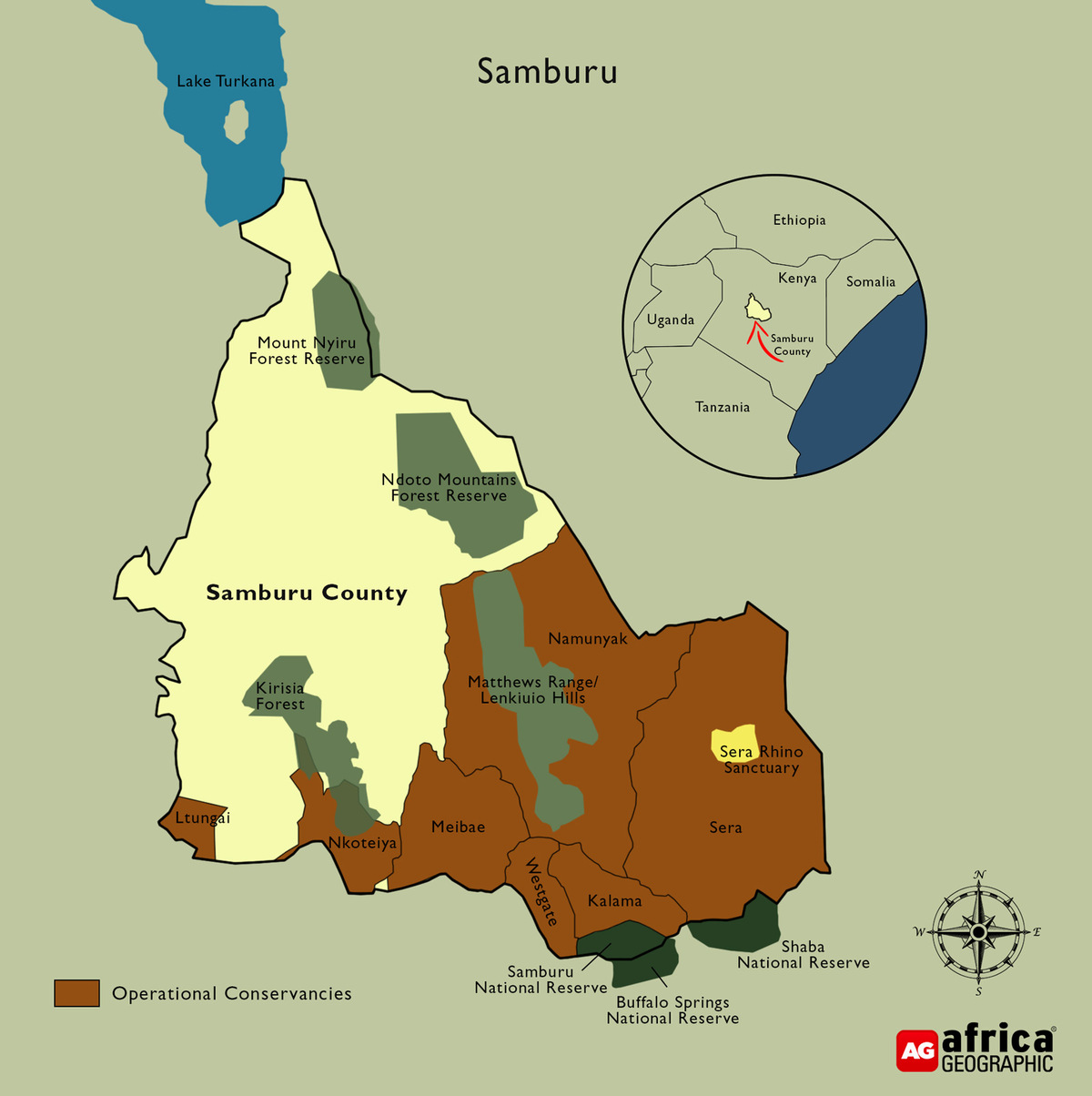
Most of the conservancies were established on lands adjacent to statutory protected areas in arid and semi-arid ecosystems where poverty levels are relatively high. Samburu Landscapes Conservation area is a host of ten such Conservancies, most of which were established recently starting in the 2000s

These community conservancies include mainly those within Samburu County, and some from the neighboring counties like Isiolo and Marsabit.

The more than 10 community wildlife conservancies within the Samburu Landscapes area DO NOT comprise the Samburu National Reserve, Buffalo springs National Reserve and Shaba national Reserve which have Direct Govenment Support

welcome

Our Consevancies

Namunyak Consevancy Trust

Established in 1995, the conservancy covers 394,000 hectares (3,940 sq km) in the Matthews Mountain Range and is recognized as being some of Kenya’s best-untouched wilderness. The park has 200 Rangers overseeing it.

Kalama Community Conservancy

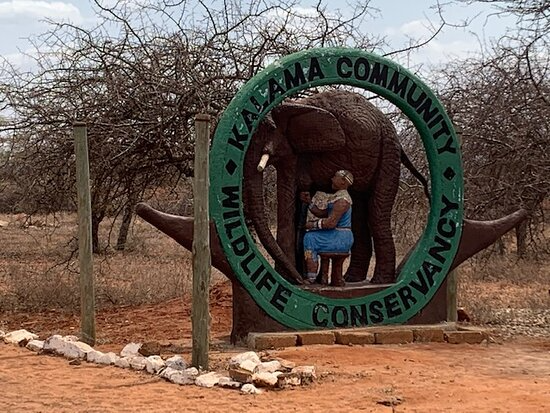
Kalama Community Wildlife Conservancy is a resilient community conservation that uplifts livelihood. This massive 50,000 hectares (500-sq-km) conservancy is located just south of Isiolo. The conservancy has 45 Rangers overseeing it.

Sera Wildlife Conservancy

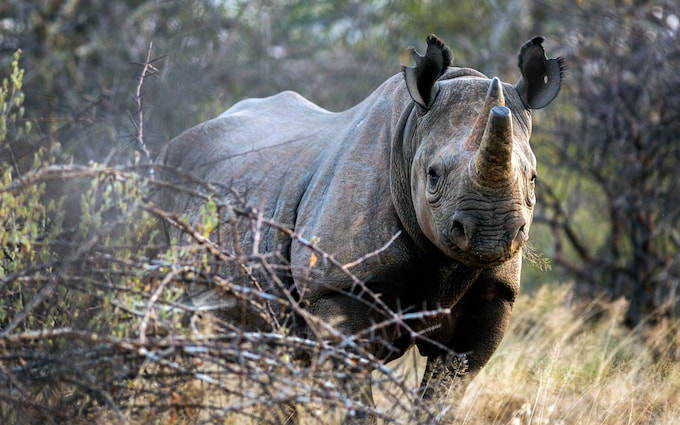
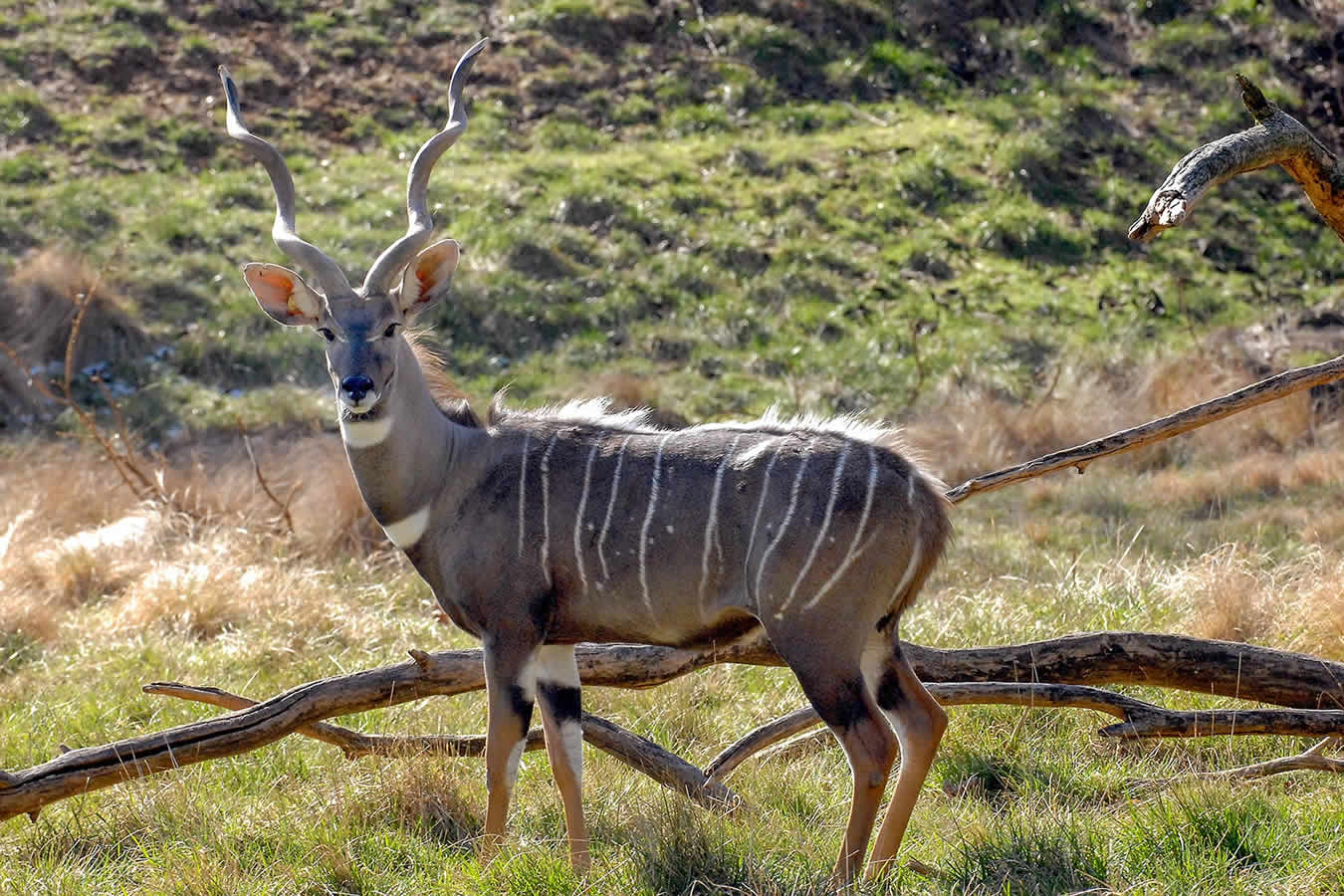
Once a poaching hotspot, the conservancy is home to a range of wildlife, including elephants, lions, Grevy's zebra, eland, kudu and much birdlife and Black Rhinos. The conservancy covers 3,400-sq-km (340,000 hectares) and has 45 Rangers overseeing it.

Ngilai West Conservancy

Ngilai is a carefully protected wilderness which serves many purposes, bringing rain for the community and grass for wildlife and cattle. It was established to help curb human-wildlife conflicts. The conservancy has 30 Rangers overseeing it.

West Gate Conservancy

Westgate Conservancy is home to semi-nomadic Samburu pastoralists. It stretches along Ewaso Nyiro river to the west of Samburu National Reserve – hence its name. It is 36,200 hectares (366 km²) in size. The conservancy has 80 Rangers overseeing it.

Reteti Elephant Sanctuary

The Sanctuary takes in orphaned and abandoned elephant calves with the aim to release them back into the wild herds adjoining Reteti. It is located within the greater Namunyak. The conservancy has 30 Rangers overseeing it.

Kalepo Wildlife Conservancy

Designed to rescue and release orphaned and abandoned elephant calves, whilst creating much needed benefits to the local people that live alongside them. The conservancy has 20 Rangers overseeing it.

Ltungai Community Conservancy

This is the newest community conservation initiative in the Samburu-Laikipia area. It is located in an area where poaching and ethnic conflicts affect local communities and wildlife. The conservancy covers 190-sq-km (19,000 hectares) andhas 65 Rangers overseeing it.

Meibae Community Conservancy

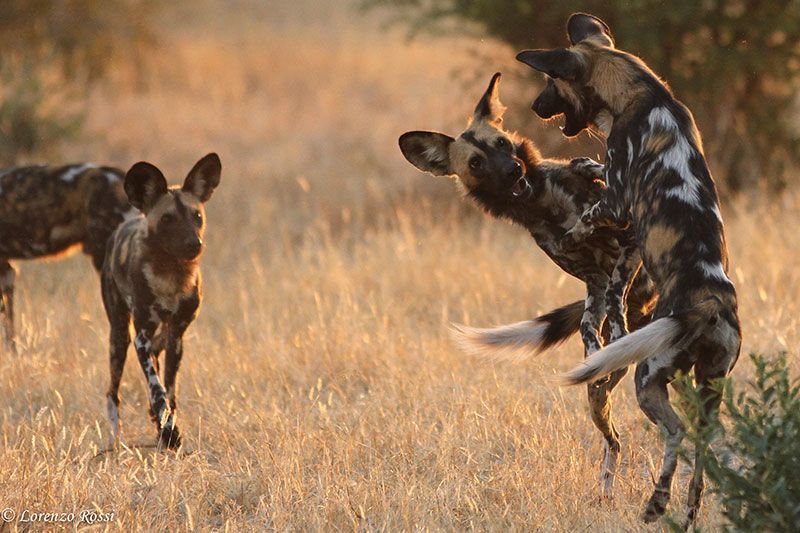
Meibae Community Wildlife Conservancy was established by a Community in the year 2006. It boasts a wide range of wildlife including Greater Kudu, African wild dogs & Gerenuks. The conservancy covers 125-sq-km (12,500 hectares) and has 50 Rangers overseeing it.

Nkoteiya Community Conservancy

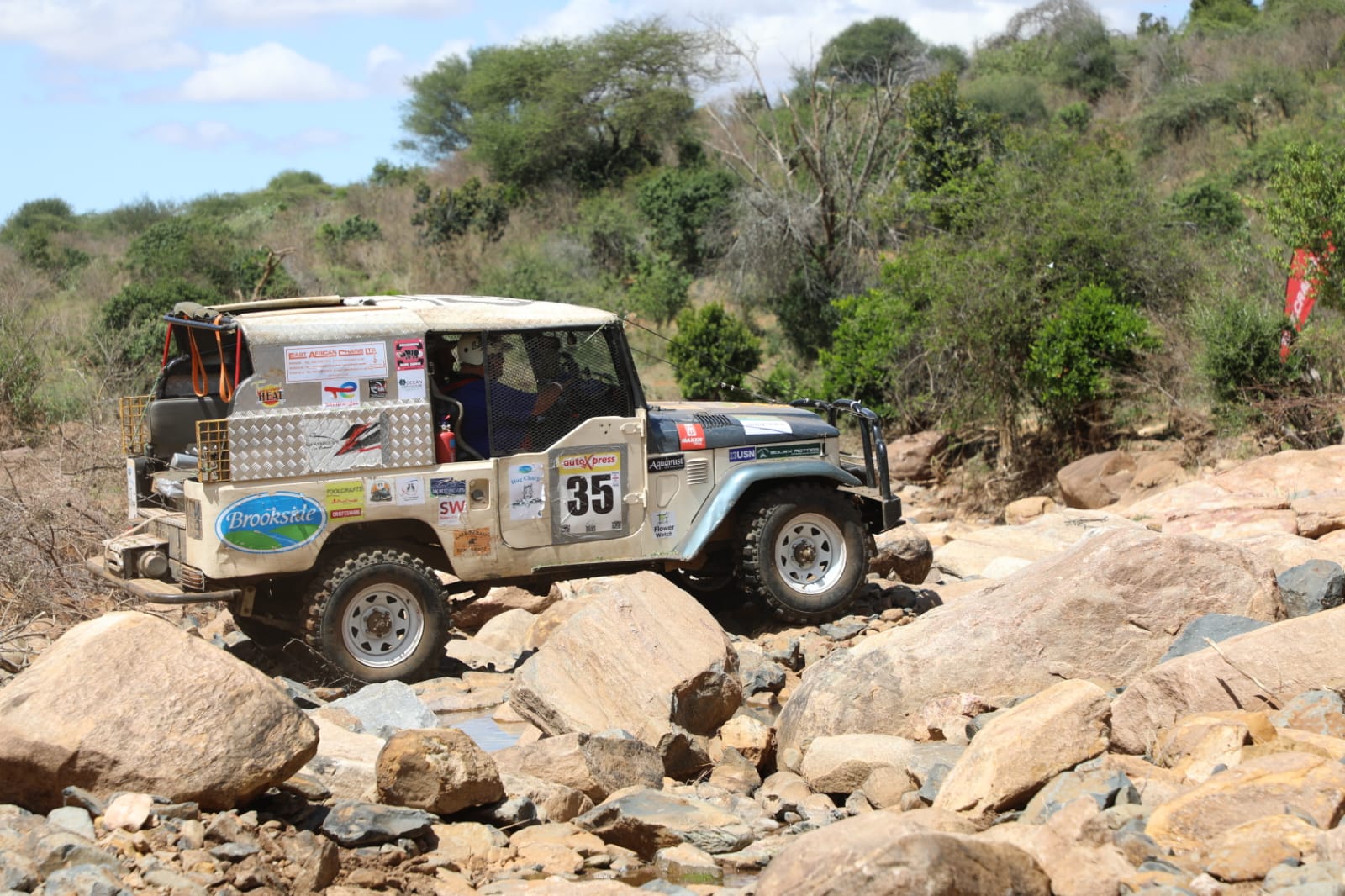
Famous location for Rhino Charge Rally, Nkoteiya was established to support conservation and derive benefits arising from conservation while allowing controlled livestock. The conservancy covers 157-sq-km (15,700 hectares) and has 40 Rangers overseeing it.

Why SLCRSG Was Established

In 2019, our Chairman, Mr Michael Lenaimado, attended the 9th World Ranger Congress in Sauraha, Nepal, organized by the International Ranger Federation (IRF), after earlier congresses in Colorado and Arusha. He came back with a clear picture of the daily challenges rangers face around the world.

The Congress produced the Chitwan Declaration (2019), which called on all conservation actors to address the issues that stop rangers from doing their work effectively. SLCRSG was established in response, to identify the specific challenges facing community rangers in the Samburu landscapes and to work with partners on solutions.

Our work centres on five areas: capacity building through training; appropriate equipment and uniforms; rangers' welfare; transport and patrol vehicles; and a platform for rangers to gain exposure and sponsorship at local and global events.

Who is a conservancy ranger?

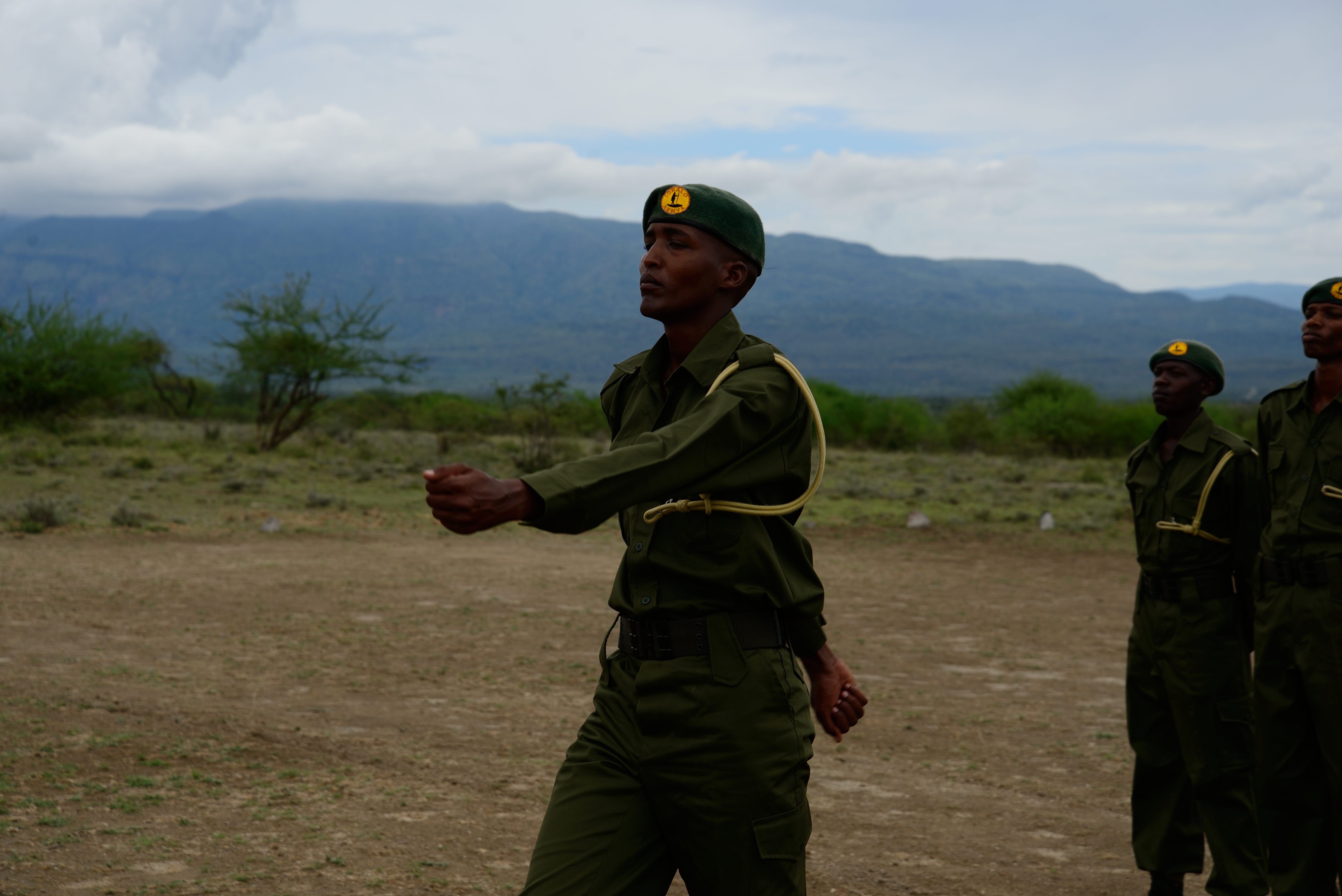
A wildlife conservancy ranger, also called a community ranger or wildlife scout, is anyone employed or volunteering in a community or private conservancy recognized under Kenya's wildlife laws (WCRA-Kenya). They protect wildlife and natural and cultural heritage, enforce the law, keep communities and wildlife safe, host visitors, support local communities, and carry out education, monitoring and research.

The Challenges Rangers Face

Ranger work is demanding and often life-threatening. A global study of on-duty ranger deaths found:

2,351

Rangers died on duty between 2006 and 2021

1,535

Deaths from homicide, accidents, wildlife attacks and occupational illness

80.3
%

Share of these deaths in Asia and Africa

The same global survey of rangers' working conditions identified these key challenges:

Inadequate training

Training does not prepare rangers for the realities of the job.

Poor medical care and shelter

Infectious diseases are common and shelter is inadequate.

Lack of key equipment

Uniforms, boots, navigation and communication devices are missing or insufficient, which puts rangers at risk.

Low and late pay

Many rangers report they are not paid a fair wage, and payments often arrive late.

Rangers in the Samburu landscapes face these same challenges, and perhaps to a greater degree. Community conservancies here are young, tourism is still developing, and the resource gap between them and the government-run parks and reserves under KWS is wide. Beyond initial training and support when a conservancy is set up, little help reaches them. SLCRSG was registered to build partnerships with friends of conservation, NGOs, corporates and government so that rangers get the support they need.

Sources: Galliers et al., "Conservation Casualties: An analysis of on-duty ranger fatalities (2006–2021)," PARKS, May 2022. Belecky, M. et al., "Life on the Frontline 2019: A global survey of the working conditions of rangers." Chitwan Declaration, 9th World Ranger Congress, 2019.

Help us so we can help others

DONATE NOW